What to Review Before Initiating Local Tree Clearing
Transforming a residential or commercial landscape requires balancing aesthetic goals, property safety, and municipal conservation rules. Property owners frequently focus on coordinating contractor schedules or reviewing equipment requirements while completely overlooking the dense legal frameworks that govern urban forestry. Initiating a major clearing project without evaluating regional code requirements can stall your development plans, generate massive administrative penalties, and lead to ongoing legal disputes with local code enforcement offices.
Securing official municipal approval before starting work ensures that your property development moves forward legally and smoothly. This detailed guide breaks down the hidden structural, environmental, and administrative factors that dictate public tree management ordinances, helping you protect your real estate investments while maintaining complete compliance with regional forestry laws.
Understanding the Significance of Cutting Permits
Fulfilling your regional legal responsibilities represents the foundational step of any professional landscape modernization plan. Most municipalities classify mature trees as vital community infrastructure assets, requiring formal city inspections before any deep cutting or pulling occurs. Removing protected vegetation without an authorized certificate can prompt immediate stop-work orders from city inspectors and trigger substantial civil fines that complicate your property title.
Assessing Environmental and Canopy Impacts
Urban trees provide essential ecological services that include stabilizing loose topsoil, providing natural windbreaks, and reducing stormwater runoff across residential neighborhoods. Municipal zoning boards utilize the permitting phase to evaluate how a vacancy in the local canopy will alter surrounding water drainage and soil stability.
- Filing detailed environmental declarations to protect local bird nesting habitats.
- Documenting official replanting strategies to offset the loss of regional canopy density.
- Analyzing how subsurface root clearing might alter localized water table flows.
Evaluating these ecological variables beforehand keeps your property balanced and ensures your landscaping choices support long-term environmental health.
Mitigating Severe Safety Hazards
Taking down large timber canopies near active roadways, overhead power grids, or neighboring rooflines poses significant physical risks to nearby infrastructure. Local permitting offices enforce strict safety rules, requiring detailed rigging plans and safety compliance checks before clearing work can begin. Navigating this vetting process ensures that high-risk removals are performed under controlled conditions, protecting your home foundation, utility connections, and adjacent public pathways from accidental impact damage.
Evaluating Long-Term Property Valuations
Strategic canopy pruning or selective vegetation clearing can significantly enhance the curb appeal, natural interior lighting, and real estate appraisal value of your land. However, removing mature, healthy specimens carelessly can strip a property of valuable shade, expose your exterior siding to harsh weather elements, and lower your overall market value. Utilizing a formal permitting process helps property owners weigh the long-term design benefits of a removal against the intrinsic architectural value of mature local trees.
Navigating Local Municipal Guidelines
Numerous territorial districts enforce strict preservation laws that protect historic landmark trees or endangered native plant species based on trunk diameter and historical value. Removing protected specimens without specialized arborist documentation can lead to severe environmental penalties and mandatory landscape restoration orders. Working with a certified tree removal service allows you to verify the legal status of your target trees, ensuring that protected vegetation is handled in complete compliance with local conservation laws.
Reviewing the Permit Timeline and Process
Navigating the municipal review process requires submitting an application packet that includes updated property boundary surveys, clear site photos, and a formal arborist report. Once your paperwork is filed, a city forester will typically visit your property to verify the tree's health and inspect the surrounding layout before issuing a final cutting certificate.
According to regional landscape data from Lawnstarter, the number one time to remove a tree is from late winter to early spring. Planning your administrative filings during the prior autumn months gives you plenty of time to secure approvals before this peak operational window opens.
Filing a Successful Application Packet
Submitting an incomplete application packet is a primary cause of prolonged administrative delays and permit rejections at city hall. Homeowners must provide clear evidence of property ownership, a scaled plot plan highlighting the exact location of the targeted trees, and an objective structural health report. Putting together these documents correctly speeds up the municipal review process, allowing your tree removal service to begin work without losing seasonal momentum.
Managing Inspections and Field Reviews
During the on-site inspection phase, municipal foresters check the target tree for deep trunk cavities, fungal decay, pest infestations, or hazardous leans toward public property. If the tree is deemed an active hazard to public safety or local structures, the city will typically grant the permit quickly. Understanding what city arborists look for during these field reviews helps you prepare your application effectively, ensuring you demonstrate the practical necessity of the removal clearly.
Partnering With Professional Services
Hiring an educated specialist to evaluate your landscape provides the objective scientific data needed to justify a removal permit to skeptical city boards. Certified professionals understand how to write comprehensive structural evaluations, identify hidden internal trunk rot, and propose alternative support solutions like structural cabling when a tree can be saved safely. Their professional endorsement adds significant weight to your application, paving the way for faster municipal approvals.
Integrating Specialized Tree Removal Service Help
Enlisting a fully insured tree removal service ensures that your physical site clearing is handled safely and in full compliance with local municipal codes. Experienced field crews provide the technical equipment, crane rigging, and debris-clearing workflows needed to execute complex sectional dismantling projects without damaging your lawn.
- Verifying active liability insurance and workers' compensation certificates before starting work.
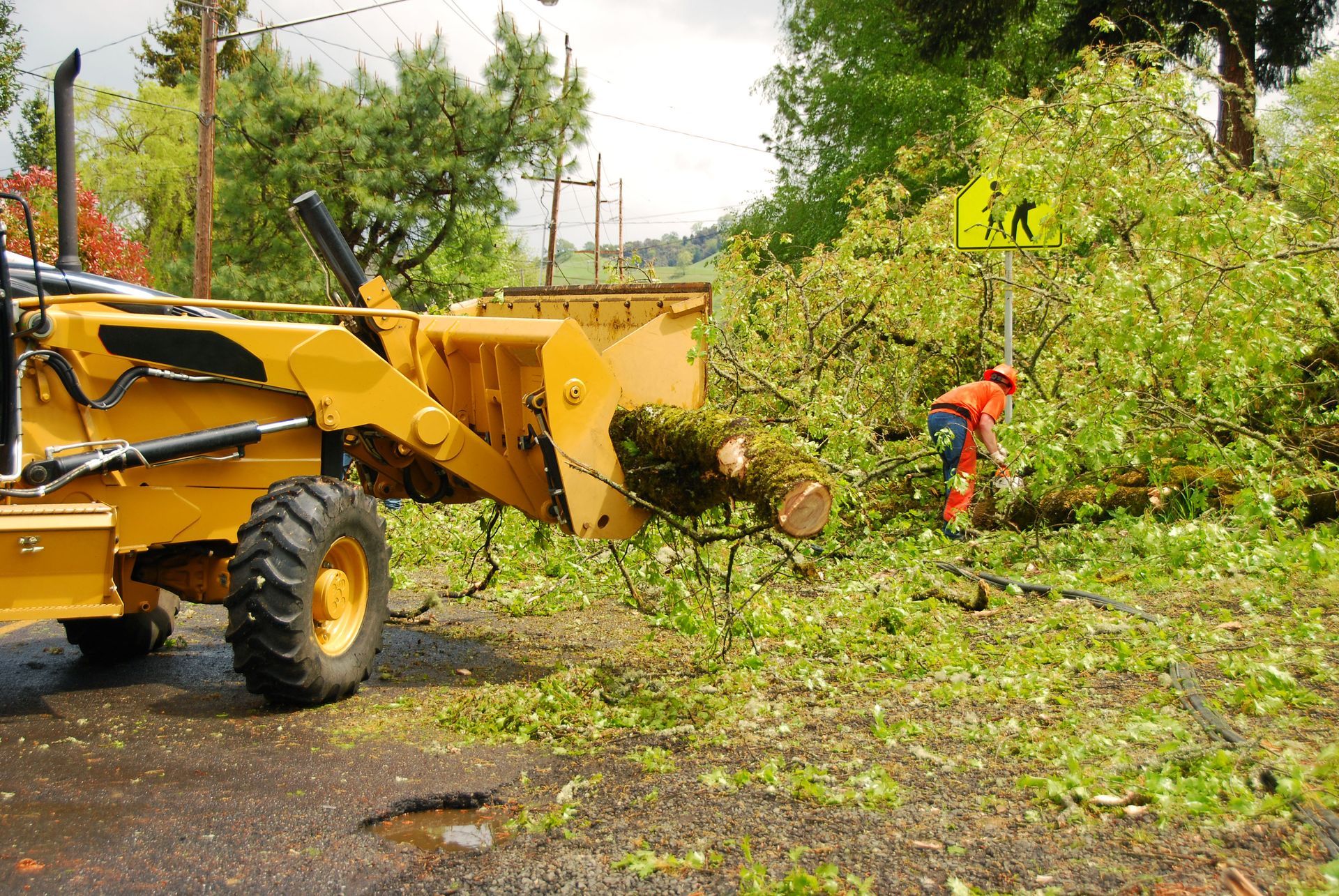
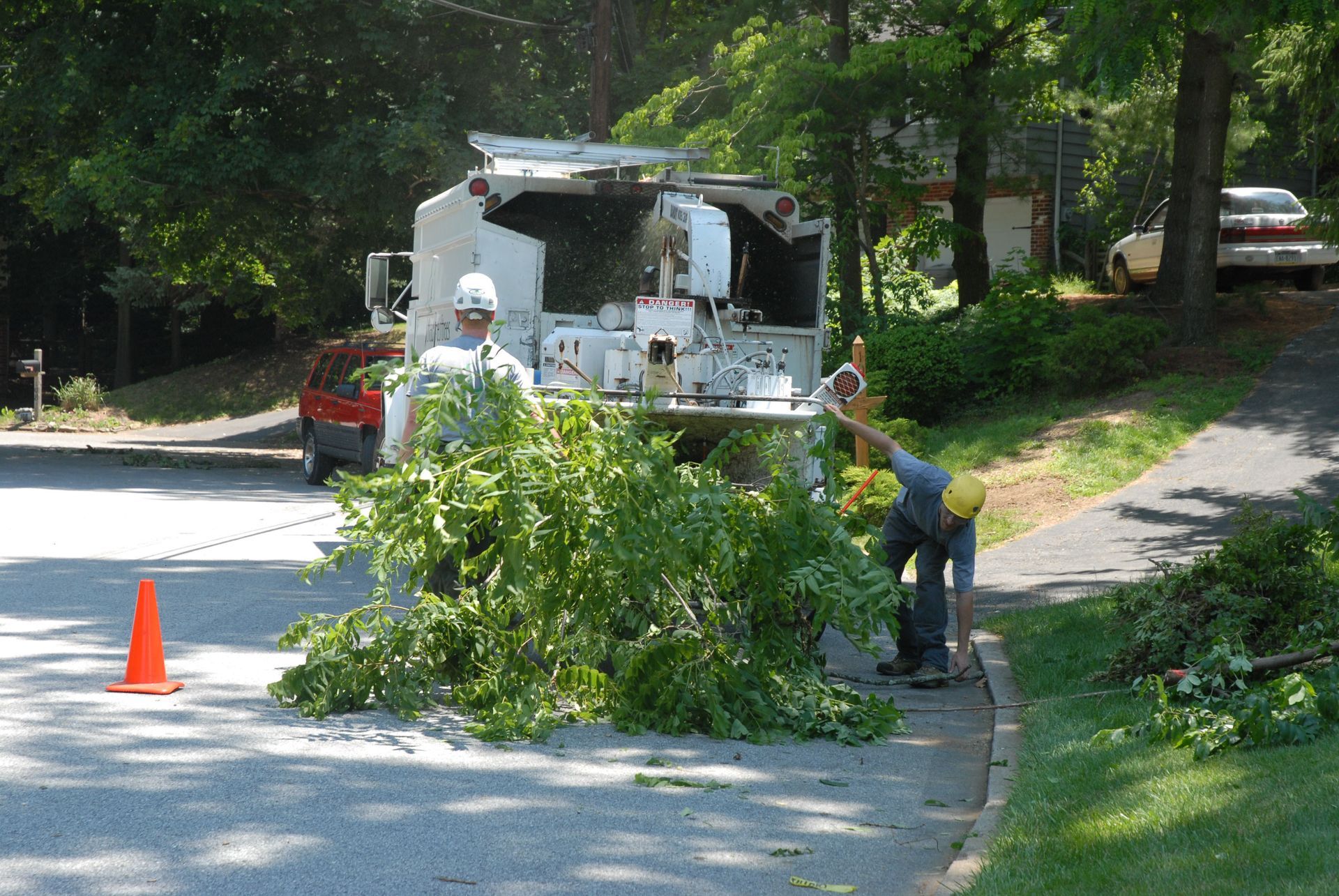
- Utilizing specialized wood chippers and log loaders to process onsite debris cleanly.
- Executing deep stump grinding operations to prepare the soil for fresh grading and replanting.
Relying on a qualified tree removal service protects your property and minimizes your legal liabilities throughout the active cutting phases.
Analyzing the Repercussions of Non-Compliance
Disregarding local canopy laws and removing trees without an active permit can result in immediate, severe financial penalties from municipal enforcement boards. Code enforcement officers have the authority to issue daily fines for unpermitted clearing work, transforming a basic landscaping project into an incredibly expensive legal headache. Paying these costly citations drains your project budget, making it vital to secure official approvals before any equipment enters your lot.
When local authorities discover unpermitted tree removals, they frequently issue mandatory restoration orders that force the property owner to remediate the landscape out of pocket. These legal orders typically require hiring commercial crews to plant mature replacement trees, rebuild damaged topsoil, and install extensive irrigation networks to restore local canopy balance.
Complying with these court-ordered restoration plans can cost vastly more than standard tree work, showing why taking a proactive approach to permitting is always the smarter financial path. Reviewing your local municipal guidelines, filing accurate site diagrams, and partnering with an insured tree removal service protects your property assets while ensuring complete legal safety. Taking a proactive approach to permit management avoids unexpected stop-work delays, protects your neighborhood canopy, and transforms your outdoor real estate goals into a safe, code-compliant asset.
When your property requires experienced permit navigation, specialized arborist health assessments, or precision canopy adjustments, working with an established local team ensures a clean, lawful project from start to finish. Contact Mencor's Tree Service to coordinate a comprehensive pre-project consultation with our field supervisors.


Share On: